




The $292 million hack of the Kelp protocol dealt a significant blow to the decentralized finance sector, yet it was not deemed fatal. This conclusion was reached by analysts at Standard Chartered, reports The Block.
The incident occurred on April 18. The perpetrator stole rsETH tokens and used them as collateral in the largest lending protocol, Aave. This allowed the hacker to withdraw real assets, triggering panic and a mass exodus of funds from the system.
According to the bank, amid concerns, users withdrew $17 billion in deposits from Aave (38% of the total volume). The number of active loans decreased by $5.5 billion.
Jeffrey Kendrick, head of digital asset research at Standard Chartered, described the event as a test of “antifragility.” He noted that a coalition led by Aave founder Stani Kulechov allocated over $300 million to restore operations. The initiative was supported by Arbitrum, ConsenSys, Mantle, and Lido.
Bank experts believe the crisis exposed systemic issues in DeFi:
- mismatch of asset types and liabilities within credit markets;
- risks of using complex collateral;
- vulnerability of cross-chain bridges.
Analysts emphasized that the situation will accelerate the transition to the fourth version of the Aave protocol and the creation of the “Ethereum Economic Zone”. These updates are expected to reduce reliance on bridges, which are frequent targets for hackers.
Despite the incident, Standard Chartered maintained its forecast for the tokenized assets market. The bank expects its capitalization to grow from $30.19 billion in 2025 to $2 trillion by the end of 2028.


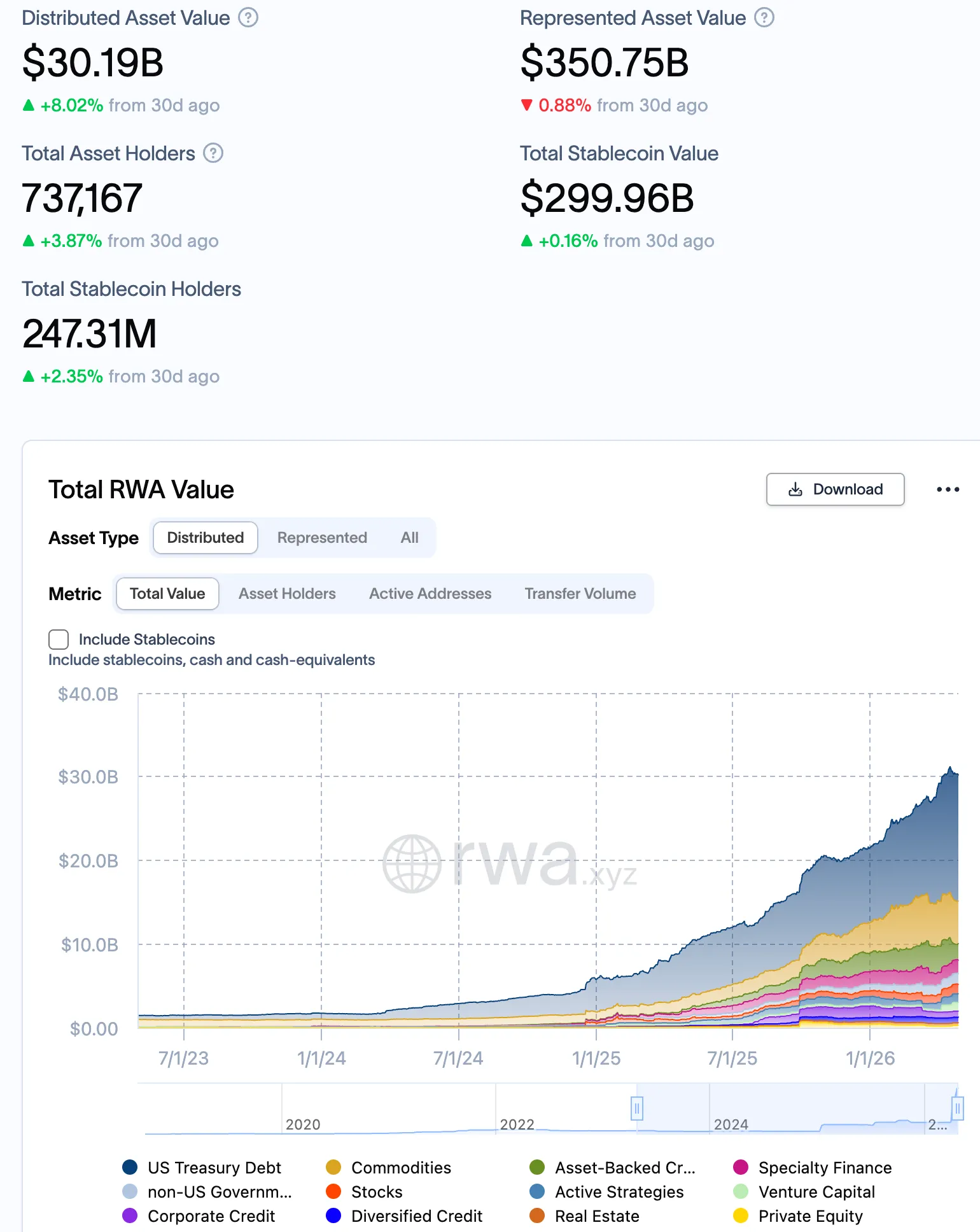
According to Kendrick, the KelpDAO hack will only hasten the maturation of DeFi infrastructure.
Earlier, Andrew Moss from Jefferies believed that a series of hacks in the DeFi sector could dampen Wall Street’s interest in blockchain technologies.