


Engineers from the University of Austin, Texas, have unveiled a brain-computer interface designed to enhance the lives of individuals with motor impairments.
The researchers claimed they have overcome a major hurdle to widespread adoption—customization for each user. The device requires no calibration due to machine learning capabilities.
This new model can swiftly identify an individual’s needs and perform automatic and rapid adjustments. This means multiple patients can use the device consecutively.
“Switching between users will become much faster. This technology allows us to dispense with a specialized team for preparation, which is a lengthy and tedious process,” said Professor Satyam Kumar from the Department of Electrical Engineering.
The scientists highlighted another advantage of their interface—its non-invasiveness. Patients wear a cap with electrodes connected to a computer. The interface collects data by measuring the brain’s electrical signals, and a decoder interprets this information, translating it into actions on a monitor.
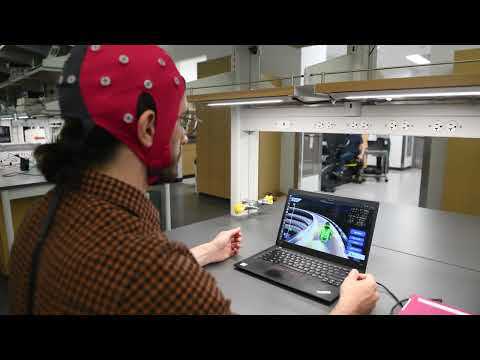
During tests, subjects completed two tasks of varying difficulty: playing a car racing video game and adjusting balance on a digital scale.
Researchers described the work as foundational, as it lays the groundwork for further innovations in brain-computer interfaces.
The team announced their next invention: a wheelchair that users can control using brain electrical signals.
Back in March, a person with a Neuralink-implanted chip demonstrated its capabilities.