



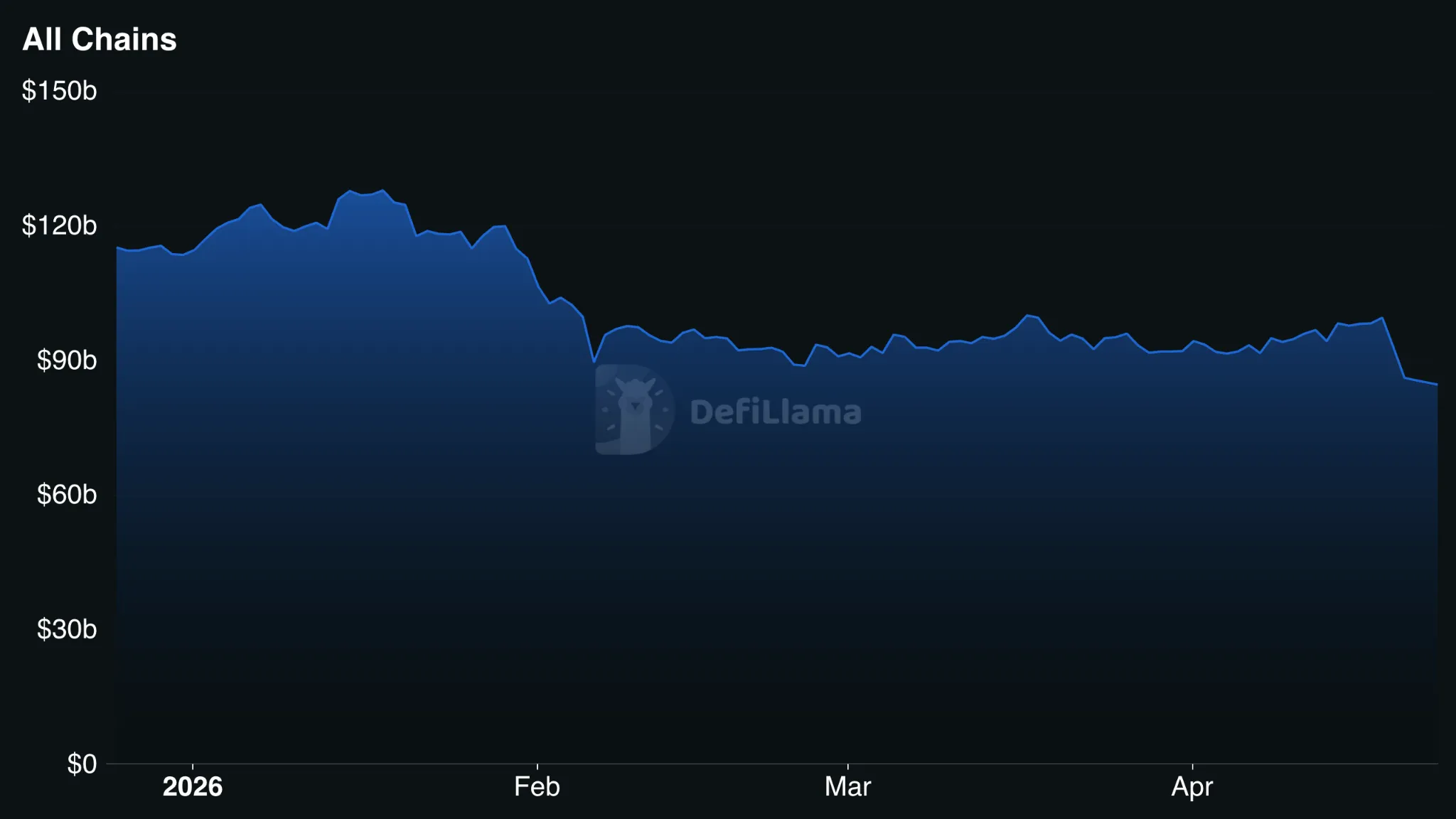
Following recent attacks on the Drift and Kelp protocols, users have withdrawn over $15 billion from the DeFi sector. According to Andrew Moss of Jefferies, this may dampen Wall Street firms’ interest in blockchain technologies, reports Bloomberg.


Over the past year, firms like BlackRock, Franklin Templeton, and Apollo Global Management have developed products based on technologies similar to those hacked by the Lazarus Group, noted the expert.
At the end of March, the New York Stock Exchange partnered with Securitize to launch trading of tokenized shares. Nasdaq is working on a similar initiative.
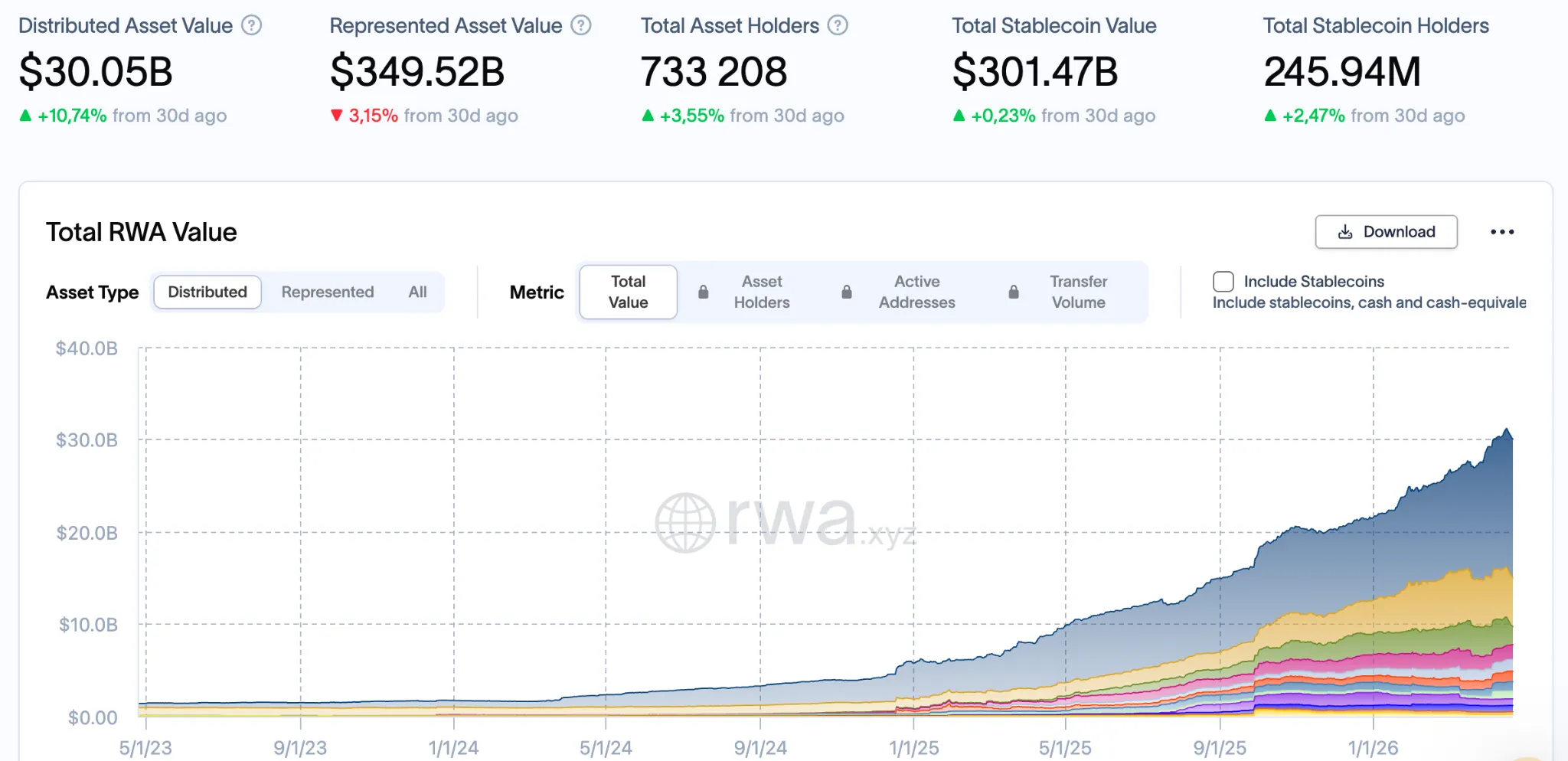
According to RWA.xyz, the RWA sector has grown by approximately 400% since 2025, surpassing $30 billion. Ark Invest believes the figure could reach $11 trillion in the next five years.

The damage from the hacks is unlikely to affect traditional markets, Moss stated. However, many Wall Street entities may slow down their adoption of cryptocurrencies and reassess risks.
“This poses threats to any outlook, regardless of who is at fault. We do not expect financial companies to turn away from digital assets, but their tokenization initiatives in banks, asset management, fintech, and payment systems may temporarily slow down,” explained a Jefferies representative.
The $290 million Kelp hack was the largest since the beginning of the year and the second largest in recent weeks. On April 1, the Drift Protocol platform was attacked, losing $285 million. Cybersecurity experts have linked both incidents to North Korean hackers.
Crisis of Confidence within DeFi
The situation has already triggered a crisis of confidence among DeFi users. Following the Kelp exploit, investors began withdrawing funds en masse from the leading lending protocol Aave. In less than a week, the outflow of assets exceeded $16 billion.
The incident affected not only Aave. CryptoQuant analysts noted a decline in the supply of the stablecoin USDe from Ethena. Over three days, the figure plummeted by $800 million.
USDe supply fell $800M (-14%) in 3 days: one of its largest redemptions.
Liquidity is exiting fast, and pressure is spreading across DeFi. pic.twitter.com/ymRBzbckYo
— CryptoQuant.com (@cryptoquant_com) April 22, 2026
Amidst this, industry leaders are seeking solutions to the problem. Curve Finance founder Michael Egorov has called on developers to unite and establish unified security standards for DeFi.
So let me start. DeFi is the future of the World Financial System. That’s my belief, and this is why we are here.
This amount of absolutely preventable hacks we see in DeFi (with root causes attributable to CENTRALIZED points of failure) is enormous recently. This damages out…
— Michael Egorov (@newmichwill) April 21, 2026
“Perhaps we need the Ethereum Foundation and Solana Foundation to engage all ecosystem projects and implement principles, rules, and guidelines for secure development,” he wrote.
Hayden Adams, the creator of the Uniswap exchange, holds a similar view. According to him, the primary goal for the sector in the near future should be the elimination of central points of failure.
Removing central points of failure is the mission of defi
Its the best approach to security and legal risk, and achieves the best user outcomes
Its a bit easier for spot trading then other primitives, so I get the challenges
But its a good week to remember the mission
— Hayden Adams 🦄 (@haydenzadams) April 21, 2026
On April 22, hackers attacked the liquid staking protocol Volo, withdrawing $3.5 million from WBTC and USDC pools.