




The founder of the DeFi protocol Curve Finance, Mikhail Egorov, has introduced a solution to the issue of “bad” debts. He suggested converting deficit positions into tradable investment instruments.
The pilot project will be the lending market LlamaLend. In October 2024, it incurred a hopeless debt of $700,000. As a result, some users are unable to withdraw their funds in full.
Egorov believes that problematic assets in the pool are not useless. Their value depends on the price of the CRV token: if the token appreciates, the debt will be settled through liquidations. According to the developer, such positions resemble options with limited risk.


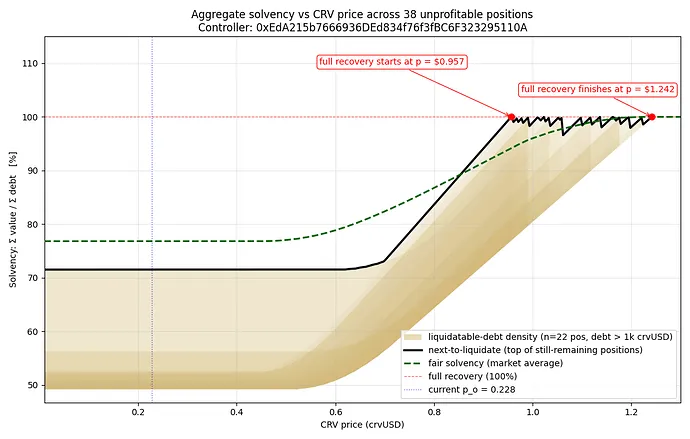
To implement the idea, Egorov has already provided liquidity in the Curve Stableswap pool. Users can exchange “stuck” tokens at a discount or become liquidity providers to earn fees while waiting for the market to recover.
The proposed model eliminates the need for direct protocol rescue through the DAO treasury. Instead, the market itself should fill the balance gap. Traders purchase the debt at a discount, arbitrageurs seek profit, and liquidity providers receive rewards.
The initiative emerged amid discussions about the consequences of the Kelp DAO hack, which posed risks for Aave. While other projects discuss emergency loans and direct compensations, Egorov advocates for market mechanisms.
Community members have reacted skeptically to the idea. Some users noted that it would be difficult to find buyers for such assets due to the lack of immediate returns. Critics also doubt that professional investors will be interested in the instrument without additional subsidies from the Curve DAO.
Back in April, protocols affected by the Kelp attack formed a support fund that raised over 102,000 ETH. The amount nearly covered the damage caused by the hack — approximately $290 million.