




The lack of movement of early bitcoins is not necessarily due to deliberate inactivity by Satoshi Nakamoto. The creator of the first cryptocurrency might have simply lost the private keys, according to cryptographer Adam Back.
“It could have happened. After all, he is human,” he said during a speech at the Blockchain Paris Week conference.


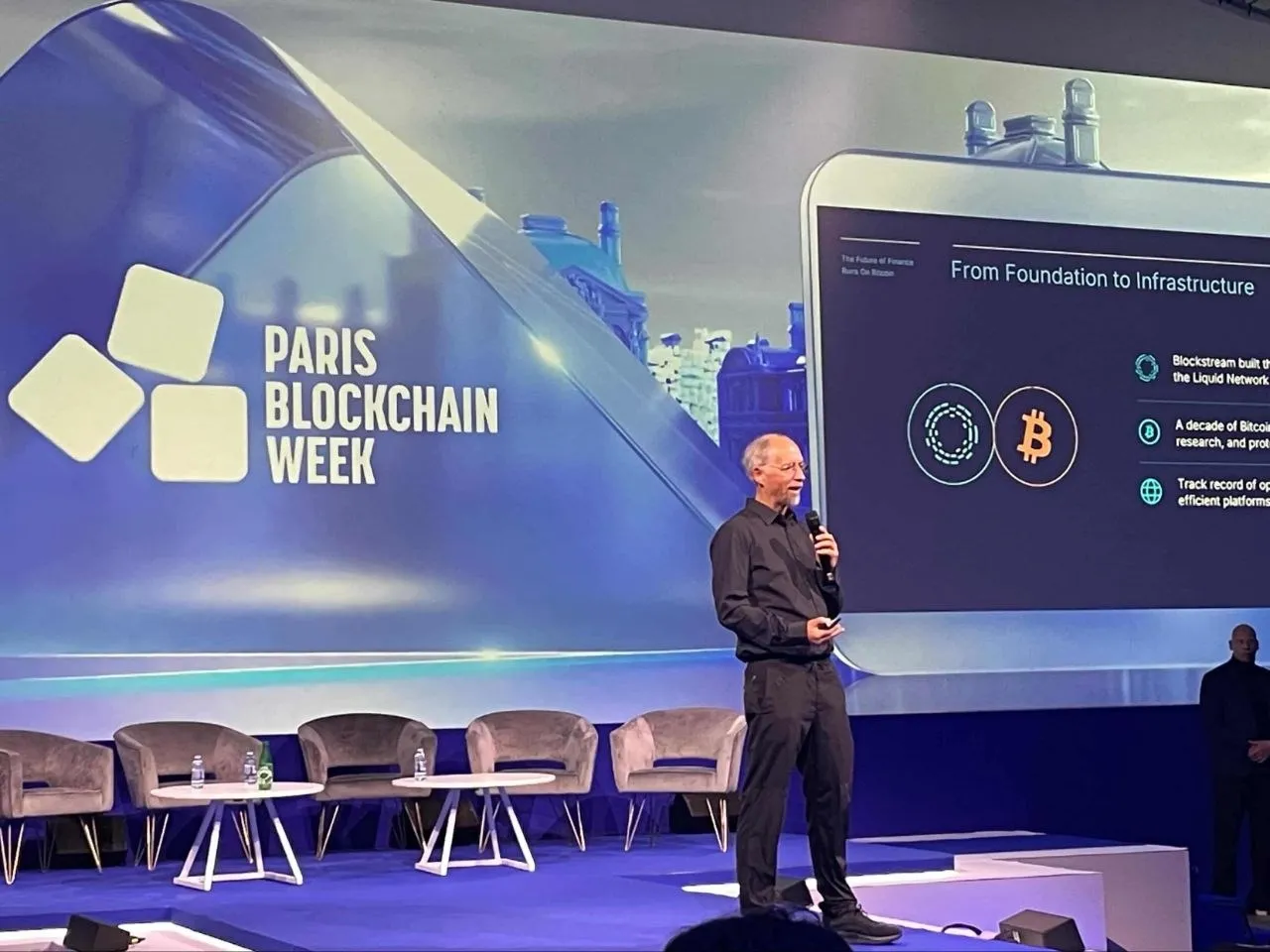
The expert noted that in the early years of bitcoin, wallet backups were not as reliable and convenient as they are now, following the widespread adoption of HD wallets and seed phrases.
Users had to manually save the wallet.dat file containing a set of private keys. With active transactions, this backup needed regular updating.
According to Back, not everyone was aware of this feature, leading some early users to lose access to part of their funds. Future migration of coins to quantum-resistant address types may reveal how many early miners truly retained control over their keys.
How Much BTC Belongs to Satoshi
The expert also emphasized that the market still does not know for certain how many coins belong to the creator of bitcoin. Common estimates are based on mining pattern analysis, but such conclusions remain hypotheses.
He recalled that in the first year of the network’s existence, participants mined about 2.5 million BTC. Satoshi’s presumed share is usually estimated at 500,000-1 million BTC.
According to Arkham, the assets under Nakamoto’s management amount to 1.096 million BTC, valued at $82.8 billion at the current rate. However, these assets might belong to another early player, Back believes.

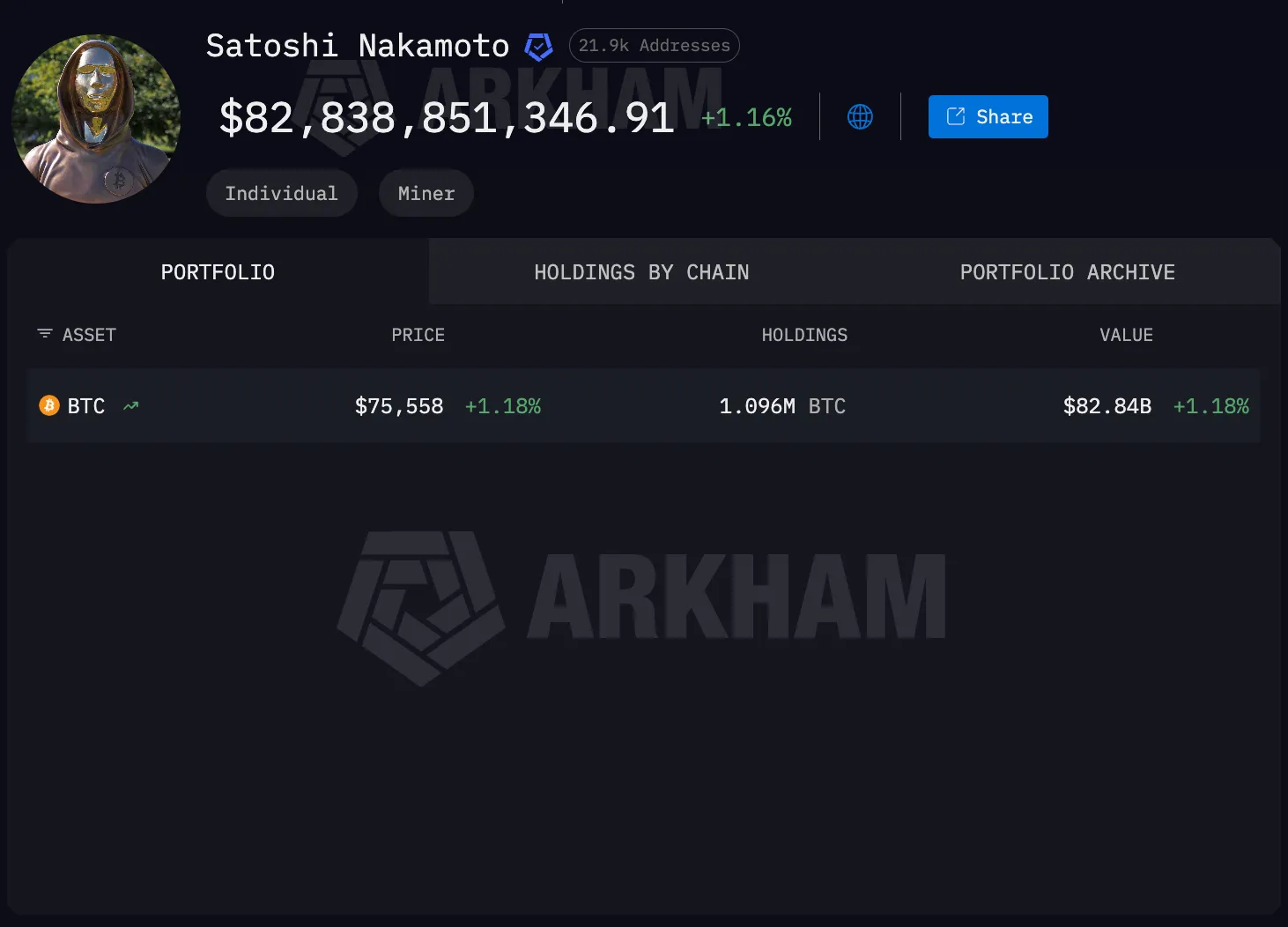
“We don’t actually know if these are Satoshi’s coins. We assumed they belong to him, but they could be owned by another early miner. We don’t know,” he stated.
In the cryptographer’s view, the creator of bitcoin might own about 500,000 coins.
“Did he spend them? It is often said that he did not. But no more than 40% of the 2009 coins were spent. As for later periods, the uncertainty is higher. Perhaps he spent later coins. We don’t know for sure. They would be the most private,” the expert noted.
Wave of Institutional Adoption
Back also predicted a wave of institutional adoption of bitcoin in the coming years. According to him, a massive influx of funds from large players has not yet occurred.
“People heard about institutional adoption and expected purchases to start immediately. But institutions are more systematic and process-oriented, which takes time,” the expert noted.
A large bank may announce the inclusion of the first cryptocurrency in model portfolios, but this is followed by a lengthy process of coordination with lawyers, compliance, and custodian selection.
However, this process is already underway, Back emphasized. According to BlackRock’s flow data, institutions hold about 30% of coins through ETFs. The remaining 70% are private individuals managing savings through brokers or advisors.
The main wave is yet to come, the cryptographer believes. A vast number of people do not make independent investment decisions. Their savings are distributed across pension funds and insurance policies managed by professional managers.
“Probably, this is where most of the money in the world is,” Back said.
These managers are only beginning to go through the necessary procedures. Once they complete the approvals, access to bitcoin will open up for millions of people who have never entered crypto exchanges.
“I think this is still ahead. The late wave will start in the next few years,” the expert concluded.
In April, a NYT journalist conducted an extensive investigation and concluded that Adam Back is the creator of bitcoin. The cryptographer denied this.