



With the V4 update, the Aave protocol will begin automatically directing unused liquidity into low-risk strategies. Developers estimate this will increase the average yield on stablecoins from 4% to 4.9%.
We’ve published a blog post about Aave V4’s Reinvestment Module.
It covers how V4 deploys idle protocol liquidity into DAO-approved yield strategies, what that means for yield, and more.
Read it below ↓ pic.twitter.com/8t28aNFaXu
— Aave (@aave) March 24, 2026
Of the approximately $20 billion in stablecoin deposits on the platform, about $6 billion remains idle. This capital is reserved to ensure instant liquidity but yields minimal returns.
V4 introduces a new architecture: a central node aggregates all deposited assets and distributes them across several lending markets with their own risk parameters.


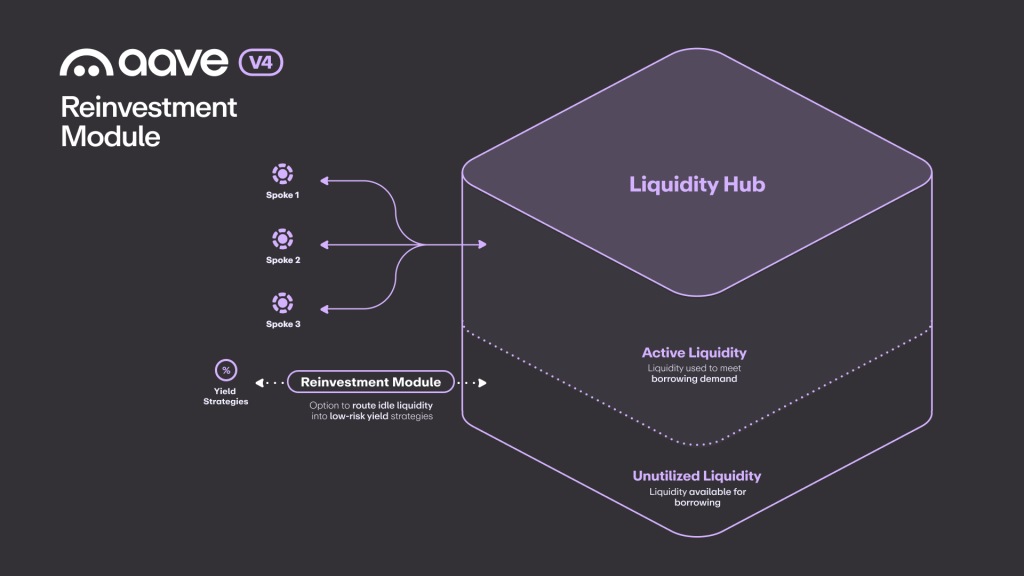
The reinvestment module tracks excess reserves and directs them into community-approved strategies—such as short-term treasury bills, money markets, or delta-neutral positions. When demand returns, the capital is automatically withdrawn.
Flexible Settings and Economic Impact
The operational parameters depend on the specific asset and its risk profile. Individual strategies, limits, and conditions are provided for stablecoins, Ethereum, and other tokens. For depositors, everything remains the same: funds are liquid, with no lock-ups, but yields are higher.
“The module also makes Aave more useful for institutional clients and protocol integrators by enhancing yield and flexibility. New types of strategies can be added through governance without updating the protocol,” the developers noted.
The Aave team anticipates a significant economic impact. According to their calculations, if idle liquidity were directed into instruments yielding at the SOFR level, the average stablecoin rate would rise from 4% to 4.9% (+25%).
V4 on the Horizon
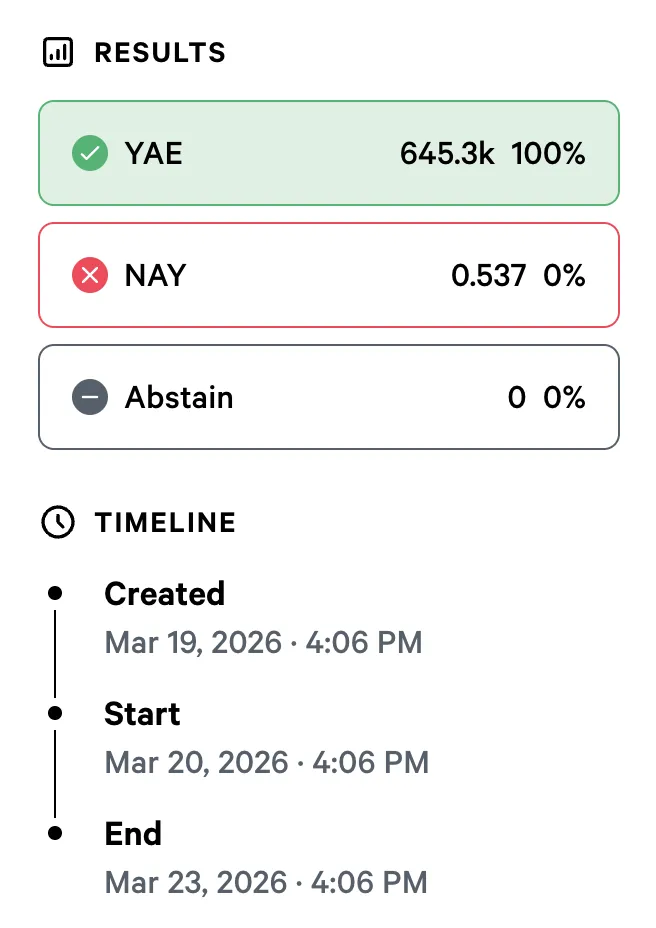
Aave positions V4 as a more flexible foundational layer for capital management. On March 23, the community unanimously supported the initiation of discussions on deploying the update on the Ethereum mainnet. A full launch is expected by the end of the year.


Amidst these developments, internal changes are occurring. Several long-standing contributors, including BGD Labs and Aave Chan Initiative, plan to leave the project. These decisions coincide with management disputes that have persisted since late 2025.
In February 2026, the total loan volume on Aave surpassed a record $1 trillion.