



The team behind the leading lending protocol Aave has filed an emergency motion in a US federal court to lift the freeze on 30,766 ETH ($73 million). These funds were blocked by the Arbitrum Security Council following the Kelp hack.
Aave LLC has filed an emergency motion to vacate a restraining notice served on Arbitrum DAO on May 1, 2026 that attempts to seize approximately $71 million in ETH belonging to victims of the April 18 exploit.
A thief does not gain lawful ownership of stolen property simply by… pic.twitter.com/NwgKIdU1L7
— Aave (@aave) May 4, 2026
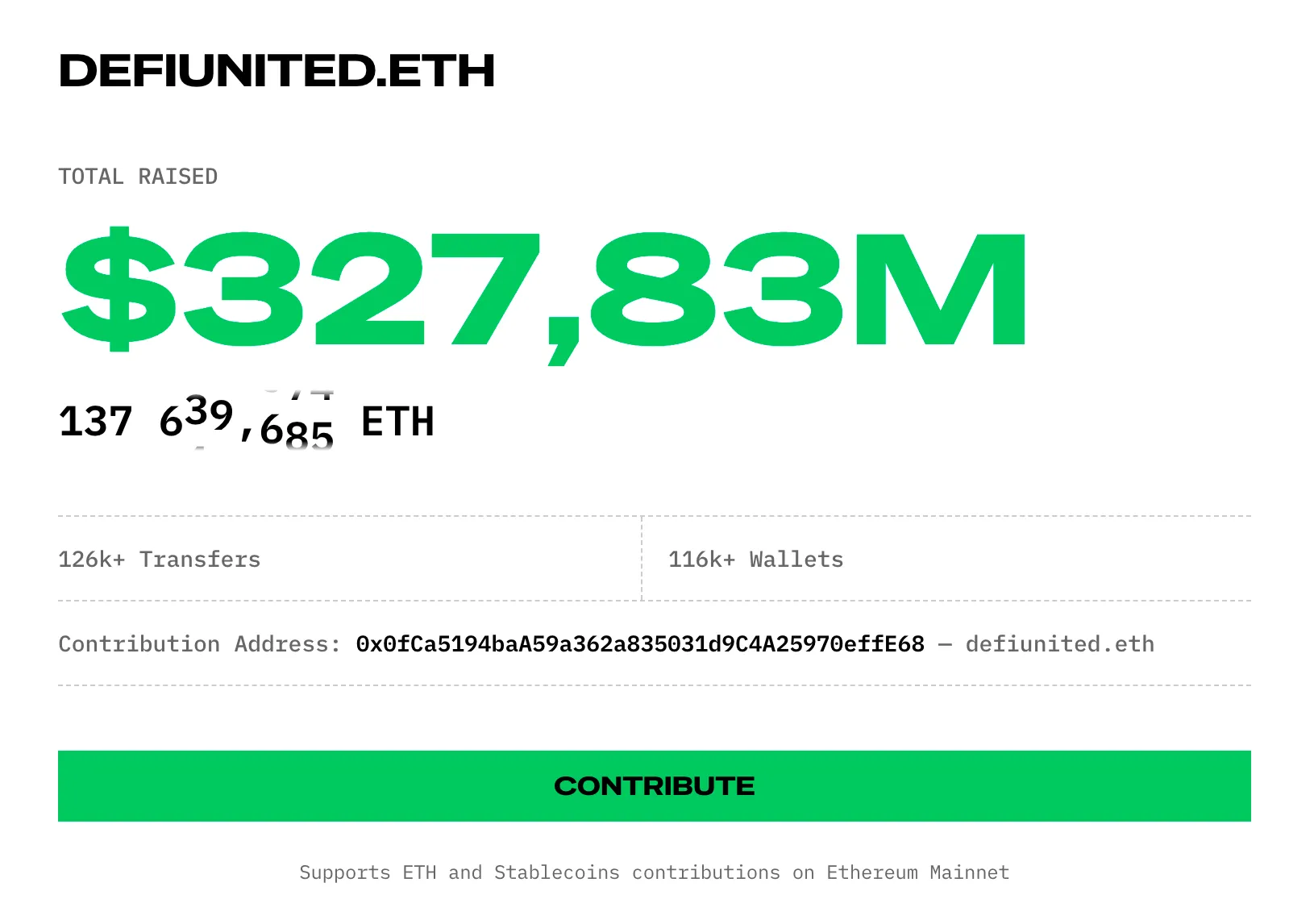
In early May, the DAO of the L2 network initiated a vote to transfer the funds to the DeFi United fund. The Southern District of New York court prohibited the use of these funds at the request of plaintiffs linked to past North Korean terrorism cases.


The plaintiffs seek to have the ETH recognized as part of potential restitution. Their position is based on the assumption that the attack on Kelp was orchestrated by the Lazarus Group.
Aave’s Position
Aave has described the court’s reasoning as legally unsound.
“A thief does not own what they have stolen. These funds belong to the users from whom they were taken, and no one else,” stated the protocol’s founder, Stani Kulechov.
He explained that even temporary control over stolen funds does not transform them into the property of the perpetrator, nor does it provide grounds to consider them assets of North Korea.
The project demanded the complete lifting of the asset freeze or that the plaintiffs post a security bond of at least $300 million to cover potential damages from further blocking.
Aave believes that prolonged retention of the coins under court seizure jeopardizes the entire recovery mechanism following the hack and delays compensation to affected users.
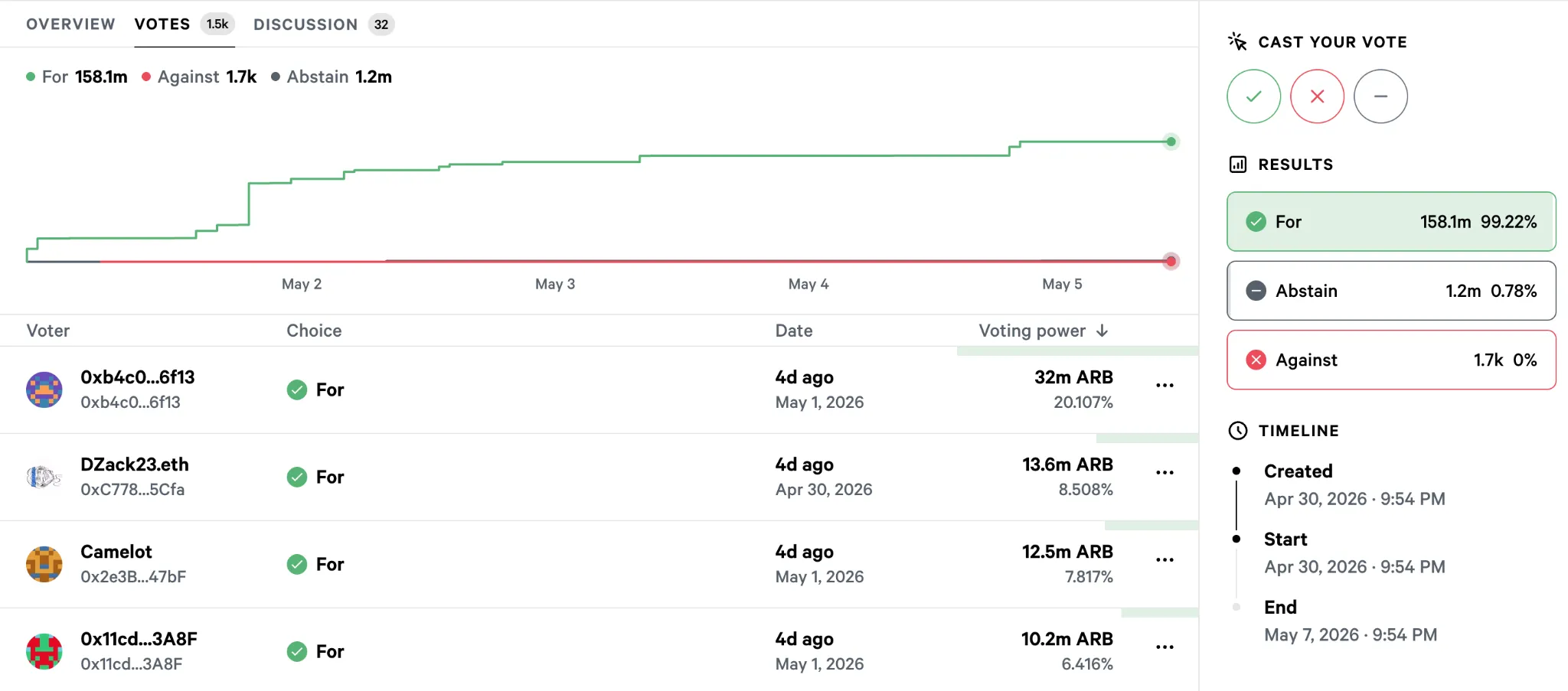
The vote in the Arbitrum DAO will conclude on May 7. At the time of publication, over 99% of participants support transferring the assets to DeFi United.

Back in April, Arbitrum’s tech council member Griff Green called for a boycott of USDC due to weak security systems.